Navigating Kitchen Exhaust Standards: What Commercial Kitchens Need to Know
Why Kitchen Exhaust Standards Matter More Than Ever
Running a commercial kitchen means juggling a lot of moving parts. You have to keep the line moving, the food hot, and the customers happy. But one area that often gets overlooked until something goes wrong is the ventilation system. If you have ever walked into a kitchen and felt the heat hit you like a wall, or noticed a layer of sticky residue on the hood, you know what I mean. That is where kitchen exhaust standards come into play. They are not just a set of rules written by some committee. They are the difference between a safe kitchen and one that is one grease fire away from disaster.
I have been in the industry for over a decade, and I have seen what happens when these standards are ignored. A friend of mine runs a busy diner downtown. Last year, he had a close call. The exhaust fan was caked with grease buildup, and the fire suppression system triggered during a lunch rush. Luckily, no one was hurt, but the kitchen was shut down for a week. The cost of that cleanup and the lost business was far more than the price of regular hood cleaning. That is when he learned the hard way that following kitchen exhaust standards is not optional.
The Core of NFPA 96 and the Bare Metal Standard
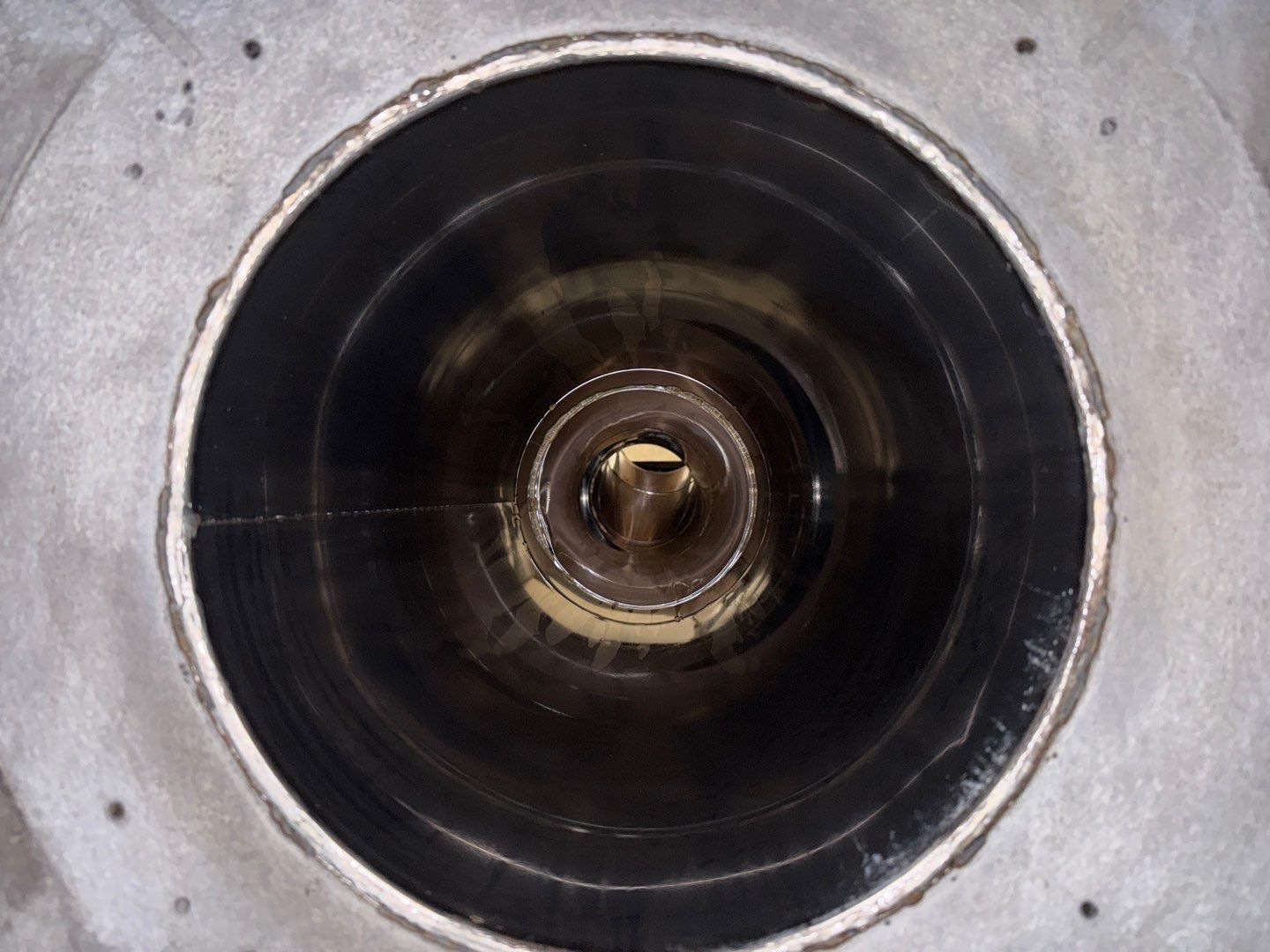
The National Fire Protection Association publishes NFPA 96, which is the benchmark for fire safety in commercial kitchens. This standard covers everything from the design of the kitchen exhaust hood to how often you need to clean the ductwork. One of the most talked-about parts of NFPA 96 is the bare metal standard. It means that after cleaning, the interior surfaces of the hood, ductwork, and exhaust fan should be free of any visible grease. No residue, no buildup, just bare metal.
That might sound extreme, but there is a reason for it. Grease is highly flammable. When it accumulates in the ductwork, it creates a fire hazard that can spread quickly. The bare metal standard ensures that the system is as clean as possible, reducing the risk of a grease fire. In my experience, achieving that standard takes more than just a quick wipe. It requires a thorough cleaning that reaches every corner of the system, including the exhaust fan blades and the interior of the ductwork. That is why many kitchens rely on professionals like clean hood pro to handle the job.
Understanding Grease Buildup and Its Risks
Grease buildup is not just a cosmetic issue. It is a serious safety concern. Every time you cook, tiny particles of grease rise into the air and get pulled into the exhaust system. Over time, these particles stick to the surfaces of the hood, the grease filter, and the ductwork. If left unchecked, the layer of grease can become thick enough to drip, creating a sticky mess that is hard to clean. More importantly, it provides fuel for a fire. A spark from the exhaust fan or a flame from the cooking surface can ignite that grease, leading to a fire that can spread through the entire ventilation system.
I remember inspecting a kitchen that had not had a proper cleaning in over a year. The grease buildup was so thick on the exhaust fan that it had started to affect the airflow. The fan was working harder than it should, and the kitchen was hotter than it needed to be. The owner was surprised when I told him that his system was not compliant with NFPA 96. He thought a quick spray of degreaser was enough. But when we showed him the ductwork inspection report, he understood why kitchen exhaust standards exist. The report highlighted areas of heavy grease accumulation that would have been a fire hazard.
Key Components of Exhaust System Maintenance
Keeping up with exhaust system maintenance involves several key parts. First, you need to have a routine cleaning schedule. The exhaust cleaning frequency depends on how much you cook and what type of food you prepare. A high-volume fryer operation might need cleaning every month, while a lighter use kitchen might get away with every quarter. But do not rely on guesswork. A professional hood inspection can tell you exactly where you stand.
Second, the grease filter needs regular attention. These filters trap large grease particles before they enter the ductwork. They should be cleaned daily or as often as needed. But even with good filter maintenance, some grease will still get through. That is why the ductwork and exhaust fan need periodic deep cleaning. The fire suppression system also plays a role. Under UL 300 standards, the system must be inspected and serviced regularly to ensure it will activate in case of a fire.
Third, documentation is critical. Hood certification and inspection reports provide proof that you are following kitchen exhaust standards. Insurance companies and local fire marshals often require these records. I have seen kitchens that failed inspections simply because they could not show a history of cleanings. Keeping a binder with all your reports makes it easy to demonstrate compliance.
The Role of Professional Hood Cleaning
Professional hood cleaning goes beyond what a kitchen staff can do with a mop and a degreaser. It involves removing the grease filter, accessing the interior of the hood, and cleaning the ductwork from the hood to the roof. The exhaust fan itself needs to be cleaned, including the blades and the housing. A good cleaning crew will also check for any damage or wear that could affect performance. They will provide a hood inspection report that documents the condition of the system before and after cleaning.

In my opinion, the bare metal standard is the best way to measure a thorough cleaning. When the metal is bare, you can see if there are any cracks or gaps that could allow grease to escape. You can also see if the ductwork is properly sealed. Grease containment is not just about cleaning; it is about making sure the system is intact. If you have ever seen a duct that has a small leak, you know how fast grease can build up in unexpected places.
Common Misunderstandings About Compliance
One common mistake is thinking that a clean hood means the whole system is clean. The hood might look shiny, but the ductwork could still be coated with grease. Another misunderstanding is that exhaust system maintenance is only for high-volume kitchens. Even a small cafe with a single stove can have a fire if the system is not maintained. I have also heard people say that kitchen exhaust standards are too strict. But when you look at the data, kitchens that follow the standards have far fewer fires. It is that simple.
Another point is that some operators try to cut costs by doing their own cleaning. While that might save money in the short term, it rarely meets the bare metal standard. Professional cleaners have the tools and training to do the job right. They also know how to inspect the system for issues that a non-expert might miss. In the long run, hiring a professional like clean hood pro is more cost-effective because it prevents costly fines and shutdowns.
Practical Steps for Staying Compliant
Here are a few practical steps that every kitchen manager should take:
- Schedule regular hood cleaning based on your cooking volume and local codes. Keep a record of each cleaning.
- Inspect the grease filter daily and replace it when it shows signs of wear. A clogged filter reduces airflow and increases grease buildup.
- Have the fire suppression system inspected by a certified technician at least twice a year. Make sure it meets UL 300 requirements.
- Review the ductwork inspection report after each cleaning. Look for any areas that need repair or attention.
These steps are not complicated, but they require consistency. I recommend setting a reminder on your calendar for each task. It is easy to let things slide when you are busy, but a small effort now can prevent a major disaster later.
Why the Bare Metal Standard Is Worth the Effort
Some kitchen operators push back against the bare metal standard because it seems like a lot of work. But I have seen the alternative. A kitchen that skips cleanings might save a few hundred dollars a month, but it is playing with fire. Literally. The bare metal standard gives you peace of mind. When you know your system is clean, you can focus on running your business instead of worrying about the next fire inspection.

In my years of working with commercial kitchens, I have noticed that the ones that take kitchen exhaust standards seriously tend to have fewer operational problems. Their exhaust fans run more efficiently, the kitchen stays cooler, and the staff is more comfortable. There is also less smell and smoke, which makes for a better dining experience. It is a win-win for everyone.
At the end of the day, kitchen exhaust standards are not just about passing an inspection. They are about protecting your people, your property, and your business. Whether you run a fast food joint or a fine dining restaurant, the principles are the same. Keep the system clean, keep it maintained, and keep your records in order. That is the recipe for a safe kitchen.
Ends · KITCHENEXHAUSTSTANDARDSNOTES